
Brian Schneider, Napoleon, ND
Ag education transitioned to e-learning
We are asking rural communities to share how COVID-19 is impacting them. Read below for a perspective from Brian Schneider of Napoleon, ND. You can share yours here: http://bit.ly/iaartcovid
Napoleon Public School is a rural district with 224 k–12 students in a community of approximately 800 residents. I’m Brian Schneider, a 34 year teaching veteran who has built one of the states premier Agricultural Education Departments through building relationships in the small rural community of Napoleon, ND. So to transition into e-learning for the 4th quarter of the school year was a situation I would have never dreamed of nor was prepared for.
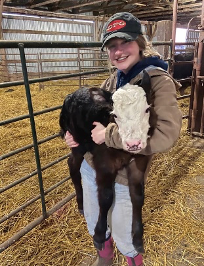
As a district we had some things going for us; one was the fact that we were one to one in technology in grades 7th through 12th, as well as had the capability to provide devices to all district students. We also had a local internet provider who was willing to provide free service for the students who didn’t have internet access. So the stage was set for our new adventure. In addition, I believe the relationships we have established with our parents has greatly assisted in making this process work as well as it has. It is by no means an amazing educational platform as I like most educators cherish our ability to work with students in person and build those relationships which motivate students to perform at levels they didn’t even know they could.
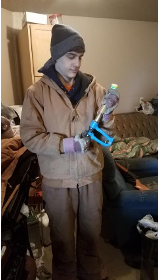
I spent our few days in between school closure and e-learning beginning, examining various curriculums I had, those available online, and visiting with other teachers to gather ideas. I then made decisions on what we would be doing in this format which was very different then what was planned, as this time of the year is typically spent planning and constructing projects in the shop for welding and carpentry units. So now classes are being taught using zoom meetings and google classroom. One of the unique opportunities I have given my students is the chance to submit pictures of them working on the family farm, completing projects in their home shops, or simply doing curriculum related work in their home settings. A chance to exhibit real life skills that are taught in and out of the traditional classroom every day in our agricultural education program. Skills that are taught and applied through agricultural education, supervised agricultural experiences and FFA events. I featured these pictures along with a little about the student on our FFA Facebook page.
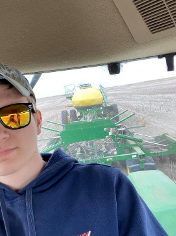
As the school year comes to an end and I critique the situation, I believe as a district we did an amazing job of providing educational opportunities to our students, although this is not why or how we would want to educate our students, we made the best out of a sad situation. On a positive note, it reminded us to think outside of the box, further embrace the amazing technology available and in the case of Agricultural Education it provided more time for my students to work in the family business of feeding the world and applying real life skills in the community.

Sophia Elswick - Toulon, IL
March 28, 2024
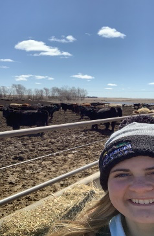
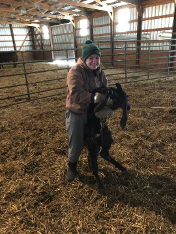
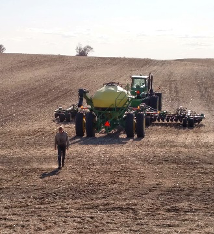
A music teacher at Stark County High School in rural Illinois, shares her story about finding community and herself while teaching in rural communities.
Power of Partnerships, Rural Teacher Corps, Teacher Profile, Rural Resilience, Teacher Feature: Illinois
Jayla Gellington - Moundville, AL
March 5, 2024
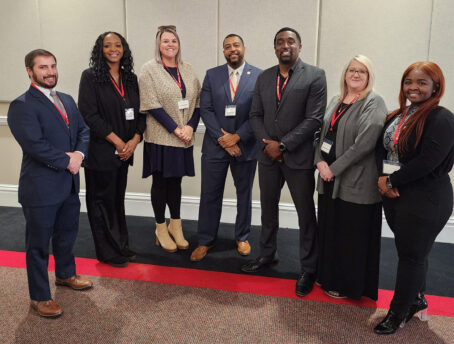
Bringing real-world learning into the classroom.
Regional Hubs, Power of Partnerships, Alabama & Black Belt, Teacher Profile, Rural Resilience, Teacher Feature: Alabama
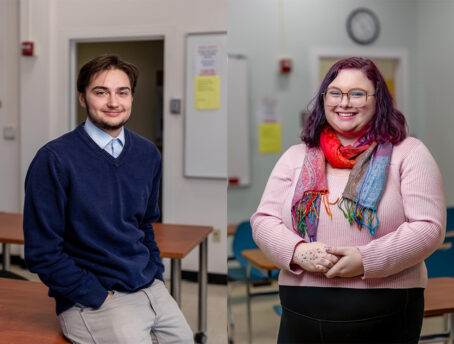
Lanie Christianson and Matthew Eastman - University of Maine
February 28, 2024
Finding a passion for teaching when Maine needs them most.